
Yes, vaping does affect your taste buds. Research shows that exposure to vaporized nicotine and flavoring chemicals can dull taste perception, reduce sensitivity to sweet and bitter flavors, and temporarily suppress the ability to distinguish subtle nuances in food and drink.
For those who’ve built careers and passions around savoring the delicate brine of oysters, the clean mineral notes of wild-caught halibut, or the buttery richness of king salmon, this isn’t a minor inconvenience. It’s a direct threat to the sensory experiences that define quality in the culinary world. The same chemical compounds that create vapor clouds can coat your tongue, alter saliva production, and interfere with the olfactory receptors responsible for detecting the complex flavor profiles that separate exceptional seafood from ordinary fare.
At Two Sea Fish Market, we’ve served generations of chefs, home cooks, and seafood enthusiasts who understand that tasting is fundamental to selecting and preparing premium catches. Since our founding, we’ve championed not just sustainability and quality, but the pure sensory pleasure of experiencing seafood at its peak. When your palate is compromised, you lose more than flavor. You lose the ability to detect freshness, judge proper seasoning, and experience the full spectrum of what responsibly sourced, expertly handled fish has to offer.
This guide explains exactly how vaping interferes with taste perception, what changes you might experience, and what the science reveals about recovery and prevention.
What Vaping Does to Your Sense of Taste
Yes, vaping directly affects your taste buds by coating them with chemical residue and reducing your tongue’s ability to detect flavors accurately. When you inhale vapor from an e-cigarette, the heated mixture of propylene glycol, vegetable glycerin, flavorings, and often nicotine settles on your tongue and oral tissues, creating a film that interferes with taste receptor function.
Your sense of taste relies on thousands of specialized cells called taste buds, which contain receptors that identify five basic tastes: sweet, salty, sour, bitter, and umami (savory). These receptors need direct contact with food molecules dissolved in saliva to send accurate signals to your brain. Vaping disrupts this process in two primary ways: it deposits a layer of e-liquid components on your tongue that blocks receptor access, and it reduces saliva production, which normally helps carry flavor molecules to your taste buds.
- Taste Receptors
- Specialized protein structures on taste bud cells that bind to specific flavor molecules and trigger nerve signals to the brain. Each receptor type responds to one of the five basic tastes.
- Olfactory Function
- Your sense of smell, which works alongside taste buds to create what you perceive as flavor. Vaping can dull olfactory receptors in your nasal passages, reducing your overall flavor experience when eating seafood.
- Propylene Glycol
- A common e-liquid base ingredient that creates vapor when heated. It’s hygroscopic, meaning it draws moisture from surrounding tissues and contributes to dry mouth.
- Vapers Tongue
- A temporary condition where vapers lose the ability to taste their e-liquid flavors or food properly. It typically results from sensory fatigue and dehydration.
The impact becomes particularly noticeable when you’re trying to appreciate subtle differences in seafood, like distinguishing between the sweet brininess of fresh scallops versus day-old ones, or detecting the delicate mineral notes in pristine oysters. These nuanced flavors require your taste buds to function at full capacity.
How Vaping Changes Your Palate
The Role of Chemical Exposure
E-liquid creates a thin film on your tongue with every puff. This coating isn’t like food residue that washes away quickly, it clings to your taste buds and the surrounding tissues. The main culprits are propylene glycol and vegetable glycerin, which make up 90-95% of most e-liquids.
These chemicals don’t just sit on the surface. They penetrate the microscopic pores of your taste buds, where delicate taste receptor cells detect the five basic flavors. When these receptors get coated repeatedly, they struggle to make direct contact with food molecules. Think of it like trying to taste fresh halibut through a layer of plastic wrap.
The flavorings in vape juice add another layer of interference. Many contain compounds like diacetyl and cinnamaldehyde that can temporarily desensitize specific taste receptors. If you vape sweet flavors constantly, your sweet receptors become less responsive. This matters when you’re trying to detect the natural sweetness in scallops or crab meat.
Regular exposure means your taste buds never get a clean break to reset. The cumulative effect builds over weeks and months of daily vaping.
Dehydration and Dry Mouth Effects
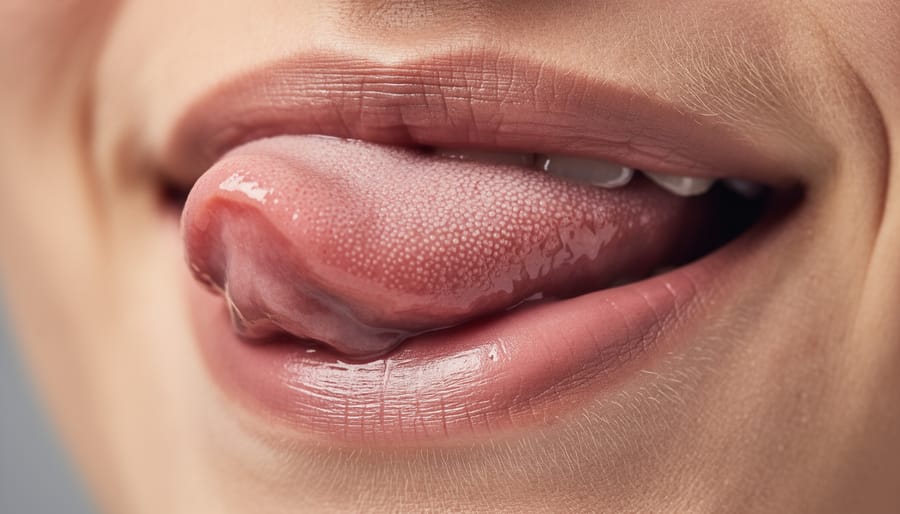
Saliva isn’t just moisture, it dissolves flavor compounds and carries them to your taste receptors. Without enough saliva, those delicate notes of sweetness in a scallop or the mineral complexity of an oyster simply don’t register. E-cigarette use reduces saliva production significantly, leaving your mouth dry and your palate compromised.
Propylene glycol, a primary ingredient in e-liquids, pulls moisture from your oral tissues each time you vape. This hygroscopic effect creates that scratchy, parched sensation many vapers recognize. The drier your mouth becomes, the harder it is to taste subtle flavors, the kind that distinguish fresh halibut from day-old fish, or wild-caught salmon from farmed.
Chronic dehydration also thickens saliva when it does appear, reducing its ability to wash flavor molecules across your tongue efficiently. For seafood enthusiasts evaluating a market catch or savoring a carefully prepared dish, this diminished saliva flow strips away layers of flavor you’d normally detect. That briny sweetness, that clean ocean finish, they fade into a muted, flat experience when your mouth can’t properly process what you’re tasting.
Types of Taste Changes Vapers Experience
Vapers report a spectrum of taste alterations that range from subtle shifts to profound sensory loss. These changes don’t affect everyone equally, and the severity often depends on vaping frequency, device type, and individual biology.
The most common complaint is overall flavor dulling, a general muting of taste intensity that makes meals feel bland or one-dimensional. Food that once burst with flavor now tastes flat, as if someone turned down the volume on your palate. This happens because the chemical compounds in e-liquid temporarily desensitize taste receptors, reducing their ability to fire signals to your brain.
Beyond general dulling, specific taste dimensions suffer disproportionately:
- Muted sweetness perception, making naturally sweet foods taste neutral or requiring extra sugar for satisfaction
- Reduced ability to detect subtle flavors, particularly the delicate mineral notes in oysters or the clean finish of fresh halibut
- Persistent metallic or chemical aftertaste that lingers between meals and interferes with clean flavor perception
- Diminished umami sensitivity, blunting your ability to taste the savory depth in aged fish, seaweed, or shellfish
Some vapers develop what’s called “vaper’s tongue”, a temporary but complete loss of flavor perception that can last days or weeks. During these episodes, even strongly flavored foods like garlic, lemon, or smoked salmon register as barely perceptible.
The bitter and sour receptors tend to be more resilient than sweet receptors, which is why some vapers report that acidic foods (citrus, vinegar-based sauces) remain somewhat detectable while desserts and naturally sweet seafood like scallops lose their characteristic taste. Salt perception often shifts too, leading some vapers to oversalt their food without realizing it, a particular problem when seasoning delicate fish that requires a light touch.
These changes aren’t always permanent, but they represent a real sensory handicap for anyone who cares about experiencing food as it’s meant to taste.
Real-World Impact: When Taste Loss Matters Most
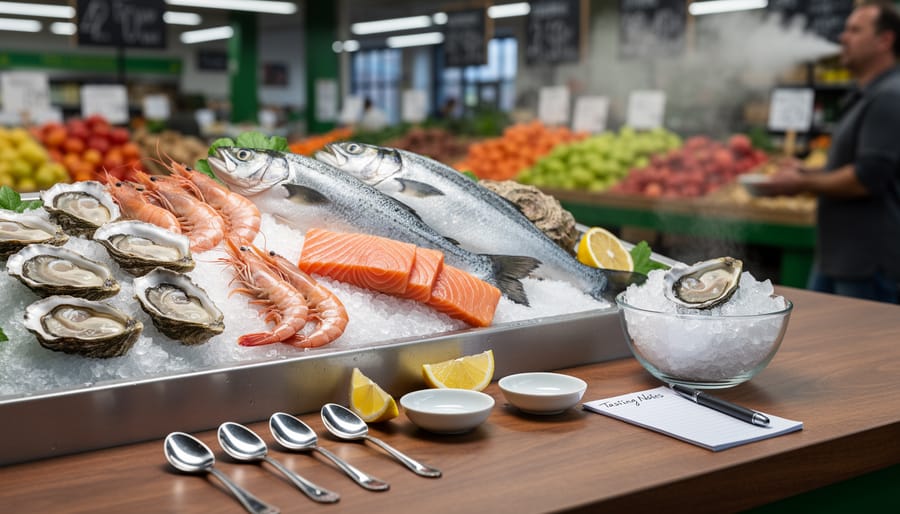
Choosing Fresh Seafood at the Market
Selecting premium seafood demands a fully functioning palate. When vaping dulls your taste receptors, you lose the ability to detect the subtle indicators that separate exceptional fish from mediocre catches.
Fresh seafood carries a clean, ocean-like scent, not fishy or ammonia-like odors that signal degradation. Vapers with compromised taste often struggle to distinguish these nuances, missing warning signs that a piece isn’t as fresh as claimed. The sweet, briny flavor of quality oysters or the delicate butteriness of fresh scallops becomes harder to perceive when your tongue’s sensitivity drops by 30-40%.
At the market, you normally taste small samples to assess quality before buying larger quantities. With reduced taste function, you can’t reliably judge whether that salmon has the rich, clean flavor profile of wild-caught fish or detect the slight metallic notes that indicate it’s been frozen too long. The umami complexity of fresh tuna, the sweetness of spot prawns, these markers that guide smart purchasing decisions fade into muted, generic flavors.
Professional buyers and home cooks alike depend on their palate to make confident seafood selections. When vaping compromises that essential tool, you’re essentially shopping blind.
Cooking and Recipe Development
When your palate is dulled by vaping, seasoning seafood becomes guesswork rather than skill. You might oversalt a delicate fillet because you can’t detect the ocean brininess underneath, or you’ll add too much lemon to compensate for muted acidity. The problem intensifies when you cook salmon on BBQ where the char, smoke, and natural fish oils create layered flavors you simply can’t taste properly. Butter sauces fall flat, herb rubs seem pointless, and you’ll struggle to tell when garlic shifts from aromatic to burnt. Recipe development becomes nearly impossible, how do you adjust a caper butter sauce when you can’t distinguish between tangy and bland? Professional techniques like mastering halibut cooking techniques demand precise flavor judgment to know when the fish needs more acidity or fat. Without reliable taste feedback, you’re cooking blind, relying on measurements and timers instead of the instinctive palate adjustments that separate adequate meals from exceptional ones.
Dining Experiences and Flavor Appreciation
Vaping dulls your ability to appreciate the layered flavors that make dining out memorable. When you order oysters on the half shell, you might miss the subtle mineral notes and sweet finish that distinguish a Kumamoto from a Blue Point. That cedar-planked salmon you’ve been craving? The smokiness registers, but the delicate citrus notes and buttery texture fade into the background.
Restaurant meals become less satisfying when your palate can’t catch the chef’s careful seasoning choices. You’ll taste the obvious, garlic, lemon, heat from peppers, but lose the nuanced interplay of herbs, the complexity of a wine reduction, or the brininess that signals truly fresh seafood. For special occasions at premium seafood restaurants, this diminished appreciation means you’re not getting the full value of your investment in quality ingredients and expert preparation.
Recovery Timeline: Can Your Taste Buds Bounce Back?
The good news is that taste buds are remarkably resilient. Unlike some forms of sensory damage, the effects of vaping on taste perception are largely reversible once you quit.
Most people notice initial improvements within 48 hours of their last vape session. This quick turnaround happens because your mouth’s moisture levels normalize and the chemical coating on your tongue begins to clear. Within two weeks, many former vapers report significant taste recovery as saliva production returns to healthy levels and inflammation subsides.
The complete regeneration cycle takes longer. Taste buds naturally replace themselves every 10 to 14 days, but full restoration of taste sensitivity typically requires one to three months after quitting. Heavy, long-term vapers may need up to six months for complete recovery, as prolonged chemical exposure can affect the underlying tissue and nerve endings that support taste bud function.
Several factors influence your recovery speed. Age matters, younger people regenerate taste buds faster. Hydration accelerates healing, so drinking plenty of water helps. Your overall health and nutrition play significant roles too, particularly adequate zinc and vitamin B12 levels, which support taste receptor function.
If you reduce vaping rather than quit entirely, expect slower, partial improvement. The continuous exposure, even at lower frequencies, delays full taste bud regeneration and keeps some chemical interference active.
Protecting Your Palate While Vaping
If you choose to continue vaping, several targeted strategies can help preserve your taste sensitivity, particularly important when you’re evaluating the subtle sweetness of fresh scallops or the clean brininess of oysters. These practical techniques won’t eliminate all impact, but they create a buffer between your habit and your palate’s ability to detect quality seafood.
Core Protection Strategies:
- Drink water constantly throughout the day to combat vaping-induced dry mouth and keep taste receptors functioning
- Time vaping sessions at least 30 minutes before meals to allow saliva production to recover
- Rotate e-liquid flavors weekly rather than using the same one continuously, which prevents receptor fatigue
- Brush your tongue gently twice daily to remove residue buildup that coats taste buds
- Use alcohol-free mouthwash to maintain oral hydration while cleaning without further drying effects
- Take planned “vaping breaks” for 2-3 days monthly to allow partial taste bud regeneration
Seafood enthusiasts should particularly focus on pre-meal preparation. Before shopping at the fish market or sitting down to a seafood dinner, abstain from vaping for at least an hour and rinse your mouth thoroughly. Consider keeping sparkling water on hand, the carbonation stimulates saliva production and helps cleanse your palate between tastings. Some vapers also find success with unusual cooking methods that amplify natural seafood flavors through smoke, char, or fermentation, compensating for diminished taste sensitivity. Lower your nicotine concentration gradually if possible, as nicotine itself contributes significantly to taste suppression.
How Does Vaping Affect Your Taste Buds Works
When you inhale vapor from an e-cigarette, a cascade of physical and chemical reactions begins the moment the aerosol touches your tongue. The propylene glycol and vegetable glycerin in e-liquid immediately coat your taste buds, creating a thin film that acts as a barrier between your taste receptors and whatever you’re eating or drinking. Think of it like wearing gloves while trying to feel the texture of fresh fish, there’s a layer between you and the sensory experience.
At the cellular level, the flavorings and nicotine in vaping aerosol interact with the microscopic taste pores on your tongue, temporarily blocking or altering their ability to bind with flavor molecules from food. This interference disrupts the electrical signals your taste buds normally send to your brain. Meanwhile, the heat and chemicals trigger inflammation in the delicate epithelial tissue that houses your taste receptors, much like how smoke damages these same structures but through a slightly different pathway.
The dehydration effect compounds the problem. Your mouth produces less saliva, which normally dissolves food compounds and carries them to taste receptors. Without adequate saliva, even the sweetest scallop or saltiest oyster sends weaker signals to your brain. Just as cooking seafood in unconventional ovens requires understanding heat transfer, grasping how vaping works means recognizing that multiple mechanisms attack your taste function simultaneously, not just one isolated effect.
Common Questions About Vaping and Taste
Readers navigating the relationship between vaping and taste perception often have similar concerns. Here’s what the current research tells us about the most common questions.
How long does it take for taste buds to recover after quitting vaping?
Most vapers notice improvement within 48 to 72 hours after stopping, with more substantial recovery appearing at the two-week mark. Full taste restoration typically occurs within two to four weeks, though heavy long-term users may need several months.
Is vaping worse for your taste buds than traditional cigarettes?
Both damage taste perception, but smoking typically causes more severe and longer-lasting impairment due to combustion byproducts and higher temperatures. However, vaping’s concentrated flavorings and chemicals present their own unique challenges to taste receptor function.
Do certain e-liquid flavors damage taste buds more than others?
Sweet and heavily flavored e-liquids appear to cause more pronounced taste dulling, particularly those containing diacetyl and other butter-flavoring compounds. Menthol and mint varieties can temporarily numb taste receptors beyond the effects of other ingredients.
Should professional chefs and sommeliers avoid vaping?
Anyone whose livelihood depends on refined taste perception faces significant professional risk from vaping. The dulled sensitivity to subtle flavors, reduced ability to detect freshness, and impaired balance assessment can directly compromise culinary judgment and quality control.
These questions reflect genuine concerns for anyone who values their palate, whether you’re selecting premium seafood for tonight’s dinner or developing recipes that showcase delicate ocean flavors. The science confirms what many vapers discover firsthand: protecting your sense of taste means being honest about the trade-offs involved in vaping.
Your palate is your most valuable asset when selecting and savoring fresh seafood. The delicate sweetness of scallops, the briny pop of oysters, the buttery richness of salmon, these experiences depend entirely on healthy, functioning taste buds. Vaping puts that sensory capacity at risk.
At Two Sea Fish Market, we’ve spent decades sourcing the finest catches because we believe exceptional seafood deserves to be fully appreciated. When your taste perception is compromised, you miss the nuances that separate truly fresh fish from yesterday’s inventory. You can’t detect the subtle mineral notes in premium shellfish or the clean ocean flavor that signals peak quality.
Whether you choose to quit vaping entirely or take steps to minimize its impact, protecting your sense of taste means protecting your ability to experience food the way it was meant to be enjoyed. Your palate is a tool worth preserving, one that connects you to the ocean, to sustainable fishing practices, and to the rich culinary traditions we champion.
The next time you visit our market, bring your best taste buds. Our seafood deserves nothing less.