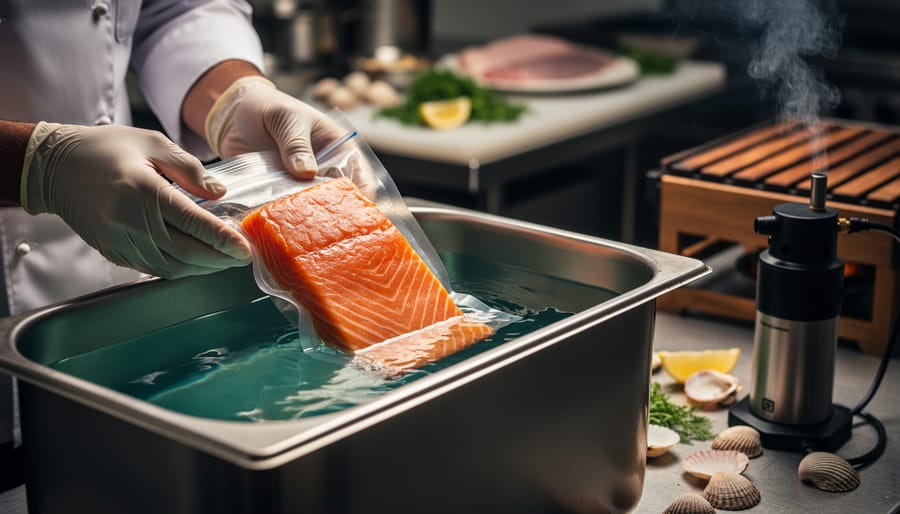
Unusual cooking methods are techniques that fall outside conventional stovetop, oven, and grill preparation, using unconventional heat sources, temperatures, or processes to transform ingredients in unexpected ways. These approaches range from ancient preservation techniques like salt-curing and smoking to cutting-edge innovations such as sous vide precision cooking and volcanic rock grilling.
For seafood lovers and culinary adventurers in 2026, these methods offer more than novelty. They unlock flavors and textures impossible to achieve through standard techniques, while often preserving nutrients that traditional high-heat cooking destroys. A salmon fillet cooked sous vide at 122°F, for instance, emerges silky and translucent, unlike anything achieved in a pan. Fish cured in sugar and spices develops complexity over days that no oven can replicate in hours.
The resurgence of these techniques reflects a broader movement toward intentional cooking. Chefs and home cooks alike are rediscovering methods their ancestors used out of necessity, wood-plank grilling and hay-smoking among them, while embracing technology that grants unprecedented control over temperature and timing. What unites these approaches is their departure from the familiar. They demand different equipment, patience, or simply a willingness to rethink what belongs in the kitchen.
This guide breaks down how unusual cooking methods actually work, the main categories you’ll encounter, and when each technique makes sense for different types of seafood. Whether you’re drawn to the theater of tableside flambé or the quiet precision of low-temperature steam, understanding these methods expands what’s possible with quality fish and shellfish.
What Unconventional Cooking Methods Really Mean
Unconventional cooking methods are techniques that fall outside the standard repertoire of stovetop sautéing, oven roasting, and outdoor grilling. They rely on alternative heat sources, unconventional environments, or chemical processes rather than direct flame or conventional heating elements. What distinguishes these approaches is their departure from the familiar kitchen workflow most home cooks learn first.
These methods span a remarkable timeline. Some trace back thousands of years, curing fish in salt, burying ingredients in hot earth, or fermenting seafood to extend its life before refrigeration existed. Others emerged from modern culinary science labs, where chefs and food technologists manipulate precise temperatures, acids, or even vacuum environments to achieve results impossible with traditional equipment. The common thread is innovation, whether born from necessity in ancient cultures or curiosity in contemporary kitchens.
- Cold-curing
- A preservation technique that uses salt, sugar, and sometimes acid to draw moisture from fish without applying heat, fundamentally altering texture and flavor.
- Sous vide
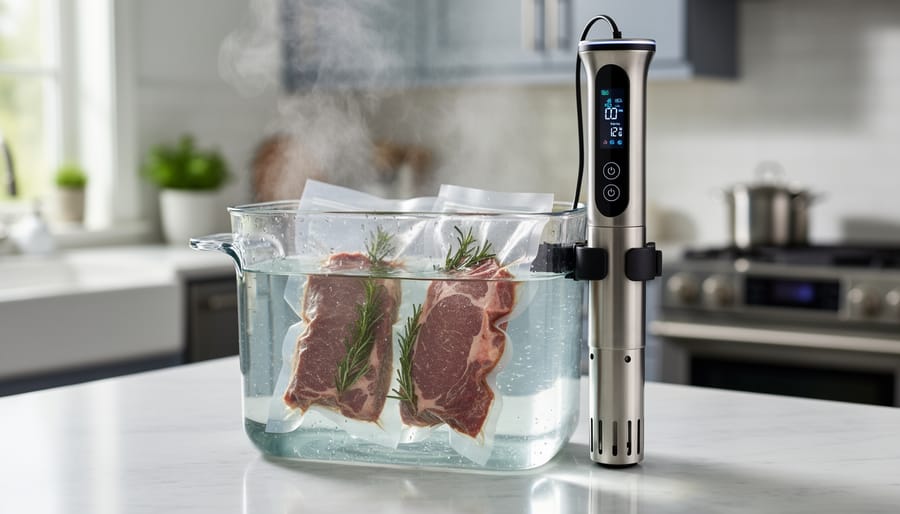
- French for “under vacuum,” this method seals food in airtight bags and cooks it in temperature-controlled water baths, delivering consistent results and exceptional moisture retention.
- Acid cooking
- A chemical process where citrus juice or vinegar denatures proteins in raw seafood, effectively “cooking” it without heat, the principle behind ceviche.
- Plank grilling
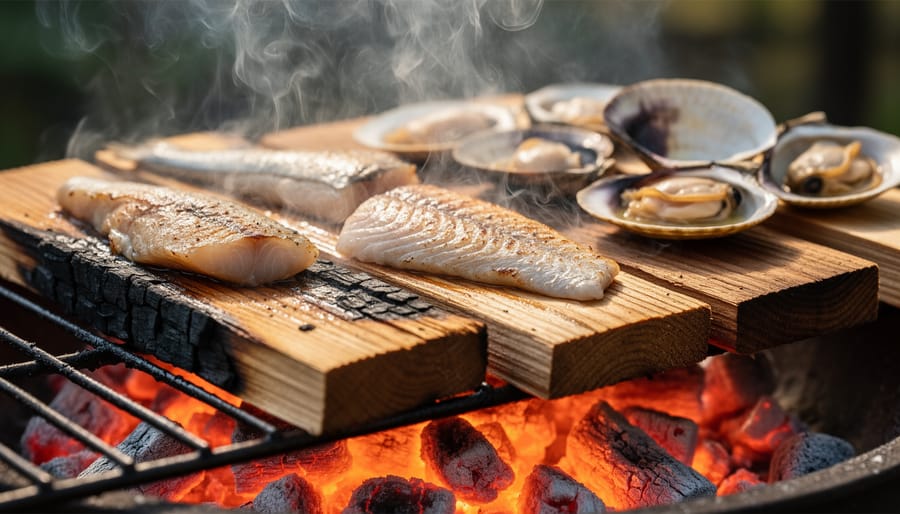
- An Indigenous technique that involves cooking fish on aromatic wood planks over indirect heat, infusing subtle smoke flavors while protecting delicate flesh.
For seafood, these techniques offer distinct advantages. Delicate fish and shellfish respond exceptionally well to methods that provide gentle, controlled treatment. A perfectly fresh halibut steak can turn dry and chalky on a too-hot grill, but the same cut emerges silky and tender from a precisely calibrated water bath. Cold-curing transforms salmon into lox without ever turning on a burner. The fragility that makes seafood challenging to cook traditionally becomes an asset when paired with unconventional approaches designed for precision and subtlety.
How Unconventional Cooking Techniques Work
Temperature and Time Dynamics
Traditional cooking methods follow predictable patterns, high heat for searing, moderate heat for baking, steady flames for grilling. Unconventional techniques break these rules deliberately, manipulating temperature and time in ways that seem counterintuitive but yield extraordinary results with seafood.
Consider sous vide, which holds fish at precisely 122°F for 30 minutes instead of the quick sear most home cooks attempt. This extended low-temperature cooking denatures proteins gently, keeping moisture locked inside delicate fillets that would dry out over direct flame. The tradeoff? Time. What takes three minutes on a skillet requires half an hour in a water bath, but you gain foolproof consistency.
Cold-based methods flip the equation entirely. Ceviche “cooks” raw fish through acid exposure over hours at refrigerator temperature. Proteins firm up without heat as citric acid breaks down connective tissue, creating silky texture impossible to achieve through thermal cooking. The longer marination time lets flavors penetrate deeply while maintaining the fresh, clean taste premium seafood deserves.
Even ice-fire grilling, placing fish directly on ice over open flame, uses extreme temperature contrast to create moisture-rich flesh with a caramelized exterior, manipulating both ends of the thermometer simultaneously.
Chemical and Physical Transformations
Unusual cooking methods manipulate food at the molecular level, triggering transformations that traditional heat alone can’t achieve. When you cure fish in salt and sugar, osmosis draws moisture from the cells while the salt denatures surface proteins, creating a firm texture and concentrated flavor without ever turning on a stove. This same principle explains why frozen salmon science reveals surprising advantages, controlled ice crystal formation can actually improve texture by breaking down connective tissue.
Fermentation introduces beneficial bacteria that produce lactic acid, which lowers pH and preserves seafood while developing umami-rich compounds. Korean jeotgal and Scandinavian surströmming rely on this controlled decomposition to create intensely flavored products that last months. The acidity in ceviche works similarly, causing fish proteins to coagulate and turn opaque as citric acid unravels and reforms their molecular structure, essentially “cooking” without heat.
Sous-vide changes protein structure differently than conventional cooking. By holding seafood at precise temperatures (typically 122-140°F for fish), you denature proteins gradually and evenly. Collagen converts to gelatin slowly, moisture stays locked inside, and delicate omega-3 fatty acids remain intact. The vacuum seal prevents oxidation while allowing seasonings to penetrate deeply, and the extended cooking time at lower temperatures creates silky textures impossible to achieve with a sauté pan’s rapid, uneven heat.
Types of Unusual Cooking Methods
Cold-Based Techniques
Cold-based techniques transform seafood without ever applying direct heat, relying instead on salt, acid, or smoke to cure proteins and develop complex flavors. These methods have been used for centuries to preserve catches when refrigeration didn’t exist, and today they’re prized for showcasing the pristine quality of fresh fish while adding layers of taste you can’t achieve with a pan or oven.
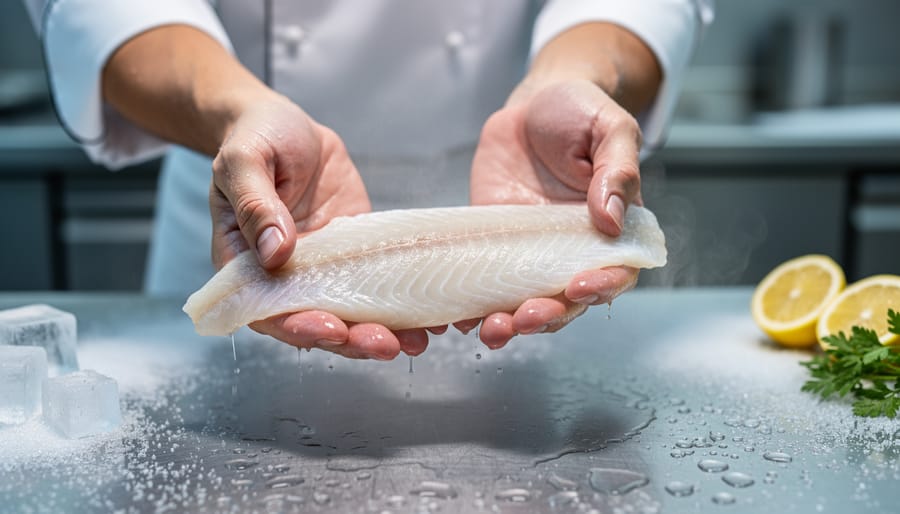
Curing draws moisture from fish using salt (sometimes with sugar and spices), which concentrates flavors and creates that silky texture you find in gravlax or lox. The salt changes the protein structure over hours or days, firming the flesh and extending shelf life while keeping the fish technically raw. It’s ideal for fatty salmon, trout, or mackerel where you want to highlight natural oils.
Cold-smoking bathes seafood in aromatic smoke at temperatures below 90°F, infusing it with wood flavors without cooking the tissue. You’ll often see this combined with curing (like in smoked salmon), though smoke alone adds delicate flavor to oysters, scallops, or white fish. The key is maintaining low heat so the flesh stays tender and moist.
Ceviche-style acid cooking uses citrus juice, lime, lemon, or even grapefruit, to denature proteins just as heat would, turning translucent fish opaque and firm. The acid changes the texture in 15 to 30 minutes, and while ceviche acid kills parasites starting with sushi-grade seafood ensures safety. Firm white fish like halibut, snapper, or striped bass handle citrus beautifully, staying sweet while absorbing bright, tangy notes.
Precision Temperature Methods
Precision temperature methods strip away the guesswork that often turns expensive halibut or delicate scallops into rubbery disappointments. These techniques, sous vide, low-temperature poaching, controlled-water-bath cooking, hold ingredients at exact temperatures for extended periods, allowing proteins to cook evenly without the harsh temperature swings of a stovetop or oven.
Sous vide seals seafood in vacuum bags and submerges them in water held at a precise degree, typically between 104°F and 140°F depending on the fish. A salmon fillet cooked at 122°F for forty-five minutes emerges silky and tender throughout, with no grey band of overcooked flesh along the edges. The method works because proteins denature gradually at specific temperatures; when you control that heat exactly, you control the texture. Research confirms that sous-vide retains moisture better than conventional methods, which matters enormously for lean fish like cod or flounder that dry out easily.
Low-temperature poaching in oil or butter, sometimes called confit for seafood, bathes fish in fat held around 130°F to 145°F. Lobster tails poached in clarified butter at 140°F turn impossibly sweet and succulent, the gentle heat preserving their natural brine without toughening the meat. Controlled-environment ovens with steam injection offer similar precision on a larger scale, holding humidity and temperature steady so a whole branzino cooks through without losing a drop of its juices. These methods demand patience and a reliable thermometer, but they deliver results traditional high-heat cooking can’t match.
Ancient and Cultural Techniques
Ancient civilizations developed cooking methods that modern chefs now rediscover for their remarkable ability to enhance seafood’s natural character. These techniques, refined over centuries, offer more than novelty, they represent sustainable approaches that honor both ingredient and environment.
Earth oven cooking (known as imu in Hawaii or hangi in New Zealand) involves digging a pit, heating stones with fire, then layering seafood wrapped in banana leaves or seaweed over the hot rocks. The covered pit creates gentle steam and smoke that infuse fish with earthy, mineral notes while keeping flesh extraordinarily moist. This method excels with whole fish and shellfish, cooking them evenly without direct flame.
Salt-block grilling uses thick Himalayan salt slabs heated gradually to 400-500°F. When you place fish directly on the hot surface, it sears quickly while absorbing subtle salinity, never overpowering the seafood’s sweetness. The block’s even heat distribution prevents sticking and creates a delicate crust on scallops, shrimp, and firm white fish.
Cedar plank roastinga Pacific Northwest tradition, involves soaking untreated cedar boards before placing salmon or halibut on them over indirect heat. The smoldering wood releases aromatic oils that complement rather than mask the fish’s flavor, much like a refined BBQ salmon technique but with deeper woody complexity.
These methods share a common thread: they work with seafood’s delicate nature rather than forcing it through harsh, direct heat.
Modern Experimental Approaches
Dishwasher cooking might sound absurd until you consider that the appliance maintains steady temperatures between 130-170°F during its cycles, ideal for gentle salmon or halibut pouches sealed in vacuum bags or multiple layers of foil. The controlled steam environment mimics sous vide precision without specialized equipment, though you’ll want to skip the detergent and run a rinse-only cycle.
Hay-smoking transforms ordinary grilling by layering dampened organic hay beneath fish on a raised rack. As the hay smolders, it releases herbaceous, slightly sweet aromatics that complement delicate white fish and scallops without overpowering their natural flavors. This Scandinavian technique works beautifully with a standard kettle grill and creates dramatic tableside presentations when you lift the lid to reveal fragrant smoke.
Ice-fire grilling places a thick slab of ice directly on the grill grates, then tops it with fish fillets. The melting ice creates a steam barrier that keeps the flesh moist while the grill’s radiant heat cooks from below, producing an unusual texture that’s simultaneously seared and poached. It’s particularly effective for skin-on preparations where you want crispy skin but tender, barely-set meat.
Paper bag baking, popular in French kitchens as “en papillote,” takes an unconventional turn when you use brown grocery bags instead of parchment. The bag chars slightly while trapping moisture and aromatics around whole fish or thick steaks, creating concentrated flavor without added fats. Just avoid recycled bags with printing inks.
Where and When to Use Unconventional Methods
Selecting the Right Technique for Your Seafood
The texture and fat content of your seafood should guide which unconventional method you choose. Delicate, lean fish like sole or flounder respond beautifully to low-temperature poaching or gentle sous vide, which prevents the proteins from toughening. These methods keep moisture locked in without overwhelming subtle flavors. Meanwhile, firm-fleshed fish such as halibut benefit from techniques that develop a contrast between tender interior and flavorful exterior, salt-block grilling or cedar plank roasting work particularly well when you cook halibut right preserving its meaty texture while adding aromatic complexity.
Oily fish like salmon, mackerel, and sablefish are ideal candidates for cold-smoking or curing, as their natural fat content carries bold flavors and creates luxurious mouthfeel. The richness stands up to longer curing times and more assertive seasonings. Conversely, ultra-fresh catches from Two Sea Fish Market shine in ceviche-style acid cooking, where citrus juices gently “cook” the proteins while highlighting pristine quality and ocean-fresh taste.
Consider your desired outcome as well. Want clean, pure seafood flavor? Precision sous vide lets the ingredient speak for itself. Seeking smoky depth or cultural tradition? Ancient techniques like hay-smoking or earth oven cooking layer on distinctive character. Match the method to both the fish characteristics and the experience you want to create on the plate.
Equipment and Setup Considerations
Most unconventional cooking methods work with equipment you already own. Cold-based techniques like curing or ceviche require little more than a refrigerator, a non-reactive bowl, and quality ingredients, no heat source needed. Cedar planks for grilling cost just a few dollars and add instant smoke-infused flavor to salmon or halibut. Even precision methods have accessible entry points: an accurate digital thermometer and heavy-duty zip-lock bags transform a basic pot into a makeshift sous vide setup, perfect for beginners testing temperature-controlled cooking.
Space considerations vary widely. Curing fish demands dedicated refrigerator space away from other foods to prevent cross-contamination and allow proper air circulation. Salt-block grilling needs outdoor ventilation due to smoke production, while sous vide works quietly on any countertop with access to an outlet. If you’re experimenting with hay-smoking or earth oven techniques, outdoor space becomes essential, these methods generate significant smoke and heat that indoor kitchens can’t accommodate safely.
Specialized equipment elevates results but isn’t always necessary initially. Immersion circulators for sous vide range from affordable consumer models to professional-grade units, each offering precise temperature control that traditional stovetops can’t match. A quality smoker box or cold-smoke generator expands flavor possibilities for delicate white fish. The key is starting simple: master basic techniques with minimal investment, then upgrade as your confidence and repertoire grow. Whether you’re preparing asparagus alongside sous vide halibut or curing your own gravlax, the right setup balances ambition with practicality.
Common Questions About Unusual Cooking Methods
Are unusual cooking methods safe for seafood?
Most unconventional techniques are perfectly safe when you follow proper temperature guidelines and food safety protocols. Methods like sous vide, curing, and acid-based cooking rely on precise temperature control or chemical processes that eliminate harmful bacteria when done correctly.
Do I need expensive equipment to try these techniques?
Many unusual methods require minimal investment, ceviche needs just citrus and time, while salt-block grilling starts with a single block. Precision approaches like sous vide do require specific tools, but entry-level immersion circulators have become affordable for home cooks.
How long does it take to master unconventional cooking methods?
The learning curve varies widely. Simple techniques like cold-smoking or cedar plank roasting become comfortable after a few attempts, while precision methods demand more practice to dial in timing and temperatures for different seafood types.
Will these methods really improve my results compared to traditional cooking?
Each technique offers distinct advantages, sous vide delivers unmatched moisture retention for delicate fish, while curing intensifies natural flavors and extends shelf life. The key is matching the method to your ingredient and desired outcome rather than treating any approach as universally superior.
Starting with quality ingredients makes experimentation far more forgiving. Fresh, properly handled seafood responds better to unconventional techniques because its inherent flavor and texture provide a solid foundation. When you’re learning cold-based methods or precision cooking, premium fish from sustainable sources gives you clearer feedback about what’s working. You’ll taste the difference between properly executed technique and missteps more distinctly.
Most home cooks find success by starting with forgiving methods, acid-cooking citrus-marinated fish or trying a single salt-block grilling session, before progressing to techniques that demand tighter control. This approach builds confidence and helps you understand how different seafood varieties respond to unconventional heat or preservation. The same principles that guide traditional seafood cooking tips still apply: respect the ingredient, monitor doneness carefully, and adjust for thickness and fat content. Once you grasp these fundamentals, unusual methods become tools for achieving results that conventional approaches simply can’t match.
The journey from traditional cooking to unconventional techniques represents more than just novelty, it’s a return to culinary roots while embracing modern innovation. Whether you’re drawn to the precision of sous vide, the primal satisfaction of earth oven cooking, or the bold chemistry of ceviche, these methods unlock flavors and textures that standard approaches simply can’t achieve.
Success with any unconventional technique starts with one non-negotiable element: exceptional ingredients. A perfectly executed salt-block grill or cold-smoke means little if the fish itself lacks freshness and quality. This is where the foundation truly matters.
Two Sea Fish Market has championed culinary exploration since 1950, understanding that adventurous cooks need more than just ingredients, they need partners who respect both tradition and innovation. Our commitment to sustainable sourcing and premium quality means your experiments with unusual cooking methods start from the strongest possible position. When you’re trying a new technique for the first time, you want to know the seafood itself won’t let you down.
Ready to transform your kitchen into a laboratory of flavor? Browse our selection of fresh, sustainably sourced seafood and discover recipes designed specifically for unconventional cooking methods. Order online today and experience how premium ingredients elevate every technique, traditional or experimental. Your next culinary breakthrough is waiting.