
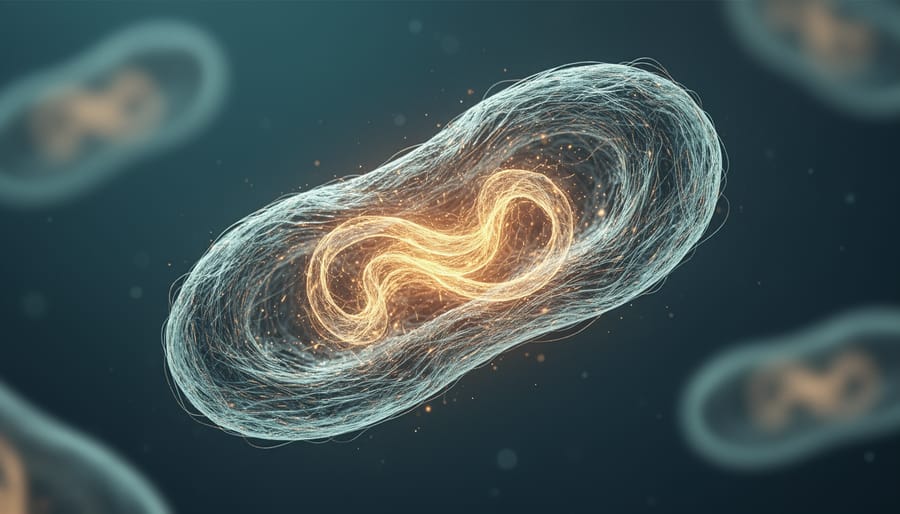
SS-31, also known as elamipretide, is a synthetic peptide designed to penetrate mitochondria and protect the inner membrane where cellular energy is produced, offering potential therapeutic benefits for conditions linked to mitochondrial dysfunction, from heart disease to age-related decline. If you’re curious about how to buy SS-31 or explore this emerging compound, understanding its mechanism matters first: it binds to cardiolipin, a phospholipid critical for maintaining mitochondrial integrity, helping preserve the powerhouses of your cells when they’re under stress.
But here’s the connection our community cares about. Mitochondrial health isn’t only about cutting-edge peptides. The same cellular machinery that SS-31 targets thrives on nutrients found abundantly in premium seafood: omega-3 fatty acids that stabilize cell membranes, CoQ10 in wild-caught fish, and astaxanthin from salmon that shields mitochondria from oxidative damage. For generations, our family has delivered ocean-fresh catches that naturally support the energy pathways scientists are now replicating in laboratories.
This article explores what SS-31 is, how it works at the cellular level, and why mitochondrial health has become a frontier in longevity research. Then we’ll show you how the same protective principles apply to your plate, where sustainably sourced seafood delivers bioavailable compounds your mitochondria need to function optimally. Science and tradition meet where cellular health begins: at the table.
What SS-31 Elamipretide Actually Does in Your Body
Mitochondria: Your Cells’ Energy Factories
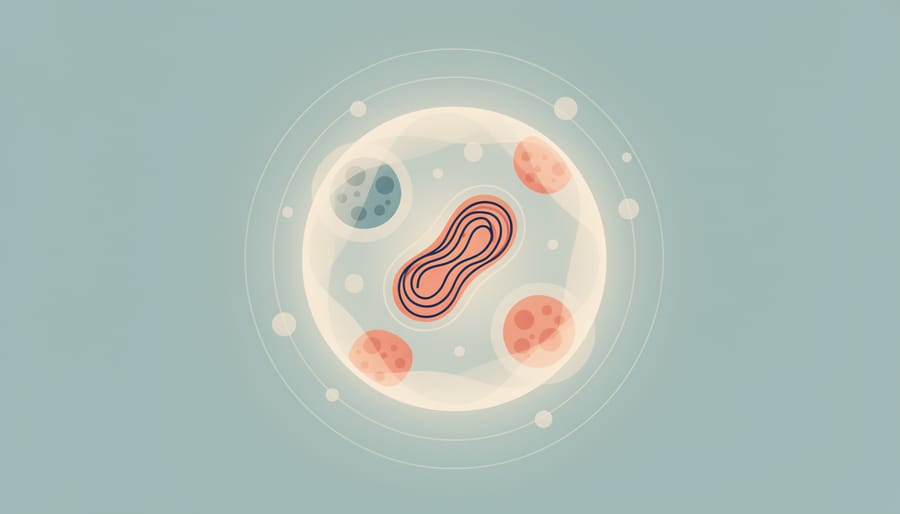
Think of mitochondria as tiny power plants living inside nearly every cell in your body. These microscopic structures take the nutrients from your food, especially fats and proteins, and convert them into ATP, the chemical energy currency your cells use for everything from thinking and moving to healing and staying warm.
You’ve got hundreds to thousands of mitochondria per cell, with the highest concentrations in energy-hungry tissues like your heart, brain, and muscles. When they’re functioning well, you feel energized, recover faster, and age more gracefully. When they falter, cellular function declines, and you might notice fatigue, brain fog, or slower recovery after physical activity.
Here’s the challenge: mitochondria are vulnerable. Oxidative stress from metabolism, environmental toxins, and aging itself can damage their delicate inner membranes, reducing their efficiency. That’s why protecting mitochondrial health, through both targeted compounds and nutrient-dense foods, has become central to longevity research and practical wellness strategies. The better your mitochondria work, the better every system in your body performs.
How the Peptide Protects Cellular Energy
SS-31 works by targeting a molecule called cardiolipin, which sits in the inner membrane of your mitochondria and acts like structural scaffolding. When cardiolipin breaks down or becomes damaged, the membrane loses integrity, energy production drops, and harmful byproducts called reactive oxygen species leak out. SS-31 stabilizes cardiolipin helping the mitochondrial membrane hold its shape and function efficiently even as cells age.
By protecting cardiolipin, the peptide reduces mitochondrial oxidative stress and prevents the cascade of cellular damage that typically comes with it. Think of it as reinforcing the walls of a power plant so energy flows smoothly and waste doesn’t spill into surrounding areas. Research shows the peptide improves mitochondrial ATP and ROS balance, which translates to cells that produce more usable energy and suffer less wear over time. It’s a targeted intervention at the cellular level, designed to keep your body’s smallest engines running cleanly and powerfully.
The Seafood Connection: Marine Proteins and Mitochondrial Health
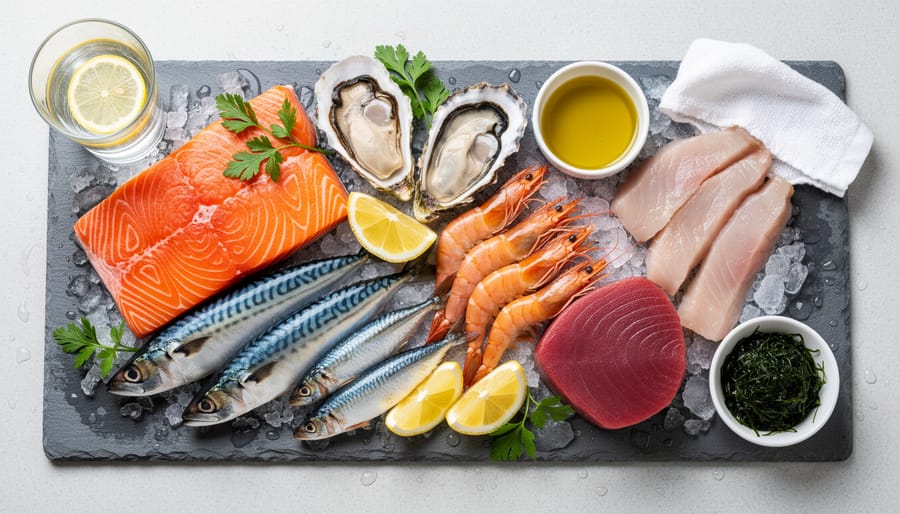
While SS-31 works at the molecular level to safeguard mitochondrial membranes, your daily food choices create the foundation for cellular energy long before any peptide intervention. Premium seafood delivers a concentration of nutrients that directly fuel and protect the same mitochondrial systems this research compound targets.
Start with omega-3 fatty acids, particularly EPA and DHA. These long-chain fats don’t just support heart health, they integrate into mitochondrial membranes, improving their flexibility and efficiency. When your mitochondria can maintain optimal membrane fluidity, they produce energy more effectively and resist oxidative damage. Wild-caught salmon, mackerel, and sardines provide these omega-3s in their most bioavailable form, alongside the complete amino acid profile your cells need for ongoing repair.
Selenium plays a quieter but equally vital role. This trace mineral activates glutathione peroxidase, one of your body’s most powerful antioxidant enzymes. Glutathione peroxidase neutralizes the reactive oxygen species that leak from mitochondria during normal energy production, the same oxidative stress SS-31 helps control. Oysters, clams, and halibut rank among the richest food sources of selenium, delivering more per serving than most plant-based options.
Then there’s coenzyme Q10, a molecule that sits at the heart of mitochondrial energy generation. CoQ10 shuttles electrons through the respiratory chain, enabling ATP synthesis. As you age, your body produces less of it. Fatty fish like salmon and mackerel contain meaningful amounts of CoQ10, offering a dietary boost to support flagging production.
The protein quality matters too. Seafood provides leucine and other branched-chain amino acids that signal mitochondrial biogenesis, literally telling your cells to build new, healthy mitochondria. When you combine high-quality marine protein with these co-factors, you’re not mimicking a research peptide. You’re supporting the entire ecosystem of cellular energy: the membranes, the antioxidant defenses, the electron transport machinery, and the capacity to regenerate fresh mitochondria as old ones wear out.
This is nutrition working in concert with your biology, not against a deficiency.
Best Seafood Choices for Cellular and Mitochondrial Support
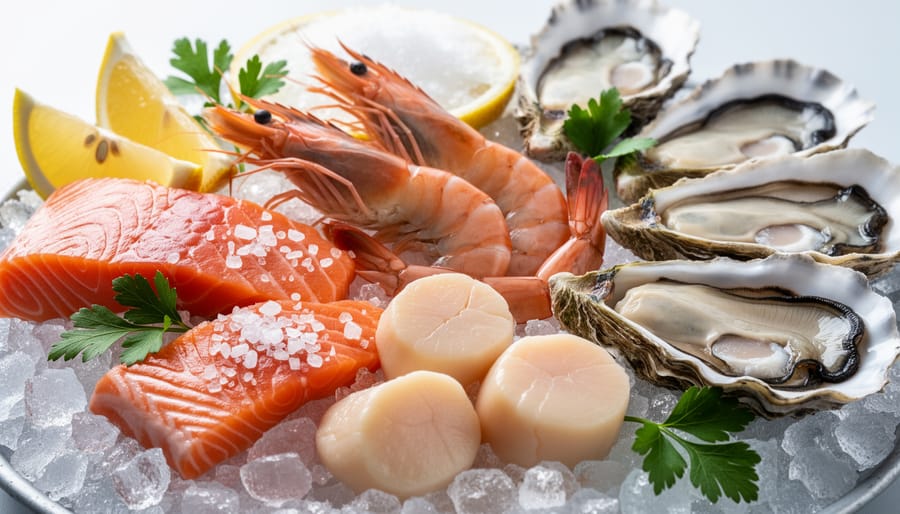
When you walk into Two Sea Fish Market, you’re not just choosing dinner, you’re selecting ingredients that can actively support your cells’ energy-producing machinery. While SS-31 peptide works at the mitochondrial level to protect cellular function, the right seafood delivers the raw materials your mitochondria need to thrive. Here’s what to look for.
Wild-caught salmon stands at the top of any mitochondrial support list. The deep coral-pink flesh signals an abundance of astaxanthin, a potent antioxidant that crosses into mitochondria to shield them from oxidative damage. A six-ounce serving delivers roughly 1,500 milligrams of omega-3 fatty acids plus selenium and B vitamins that mitochondria rely on for energy conversion. The flavor is clean, rich, and faintly sweet, everything farmed salmon tries to be but misses. Grill it simply with lemon and dill, or slow-roast at low temperature to preserve those delicate fats.
Small, oily fish pack extraordinary nutrient density into every bite. Sardines and mackerel swim in cold waters that concentrate omega-3s in their tissues, and because they’re low on the food chain, they carry minimal contaminant load. Sardines offer a mild, slightly briny taste that works beautifully on toast with pickled onions or tossed into pasta. Mackerel’s firmer texture and pronounced flavor stand up to bold preparations, smoked, grilled with mustard glaze, or pan-seared with ginger. Both provide CoQ10, a compound that functions directly in the mitochondrial energy chain.
| Seafood Type | Key Mitochondrial Nutrients | Flavor Profile | Best Preparation |
|---|---|---|---|
| Wild Salmon | Omega-3s, astaxanthin, selenium | Rich, clean, faintly sweet | Grilled, slow-roasted |
| Sardines | Omega-3s, CoQ10, calcium | Mild, slightly briny | On toast, in pasta |
| Mackerel | Omega-3s, CoQ10, B12 | Bold, pronounced | Smoked, grilled, pan-seared |
| Oysters | Zinc, copper, B12, taurine | Sweet, briny, mineral | Raw, steamed, roasted |
| Clams | Iron, selenium, B12 | Sweet, oceanic | Steamed, in broth, grilled |
Oysters deserve special mention for their remarkable zinc and copper content, trace minerals that mitochondrial enzymes use as cofactors. They also provide taurine, an amino acid that helps stabilize mitochondrial membranes much like SS-31 does. Slurp them raw to experience their sweet, mineral complexity, or try them wood-fired with herb butter.
Clams bring iron and selenium to the table alongside a naturally sweet, oceanic flavor. Steam them with white wine and herbs, simmer them into a tomato-based broth, or follow a garlic clams recipe that highlights their tender texture. Their B12 content supports the methylation cycles that keep cellular energy flowing smoothly.
Each of these selections comes from sustainable fisheries that Two Sea Fish Market has worked with for decades. You get nutrient density, exceptional flavor, and the assurance that your cellular health choices align with ocean health.
Simple Ways to Maximize Cellular Health Through Diet
You don’t need to overhaul your entire diet. Start with two to three seafood meals a week, fatty fish like salmon, mackerel, or sardines deliver the omega-3s and CoQ10 your mitochondria thrive on. If you’re deciding between frozen vs fresh salmon both retain their cellular-supporting nutrients when handled properly, so choose what fits your schedule and budget.
Pair your seafood with vegetables rich in antioxidants to amplify the cellular benefit. Leafy greens, bell peppers, tomatoes, and cruciferous vegetables help neutralize oxidative stress, working alongside the protective fats in fish. Prepare asparagus as a quick side, roast Brussels sprouts with garlic, or toss spinach into a skillet with seared scallops. The combination creates a nutrient-dense plate that supports mitochondrial function from multiple angles.
Cooking method matters. High heat can degrade omega-3s and create compounds that stress cells rather than nourish them. Bake, steam, poach, or gently sauté your fish instead. An easy fish soup lets you simmer delicate fillets in a broth loaded with vegetables, preserving nutrients while building flavor. Grilling works too, just avoid charring the flesh.
Keep convenience on your side. Stock your freezer with portion-sized fillets, canned sardines, or smoked mackerel so a mitochondrial-supporting meal is always within reach. Breakfast can be smoked salmon with eggs and greens. Lunch might be a sardine salad. Dinner could be a simple baked cod with roasted vegetables. The goal isn’t perfection; it’s consistency. When quality seafood becomes a regular part of your routine, your cells get the sustained support they need to function at their best.
Common Questions About Mitochondrial Health and Nutrition
Can changing what you eat really move the needle on cellular energy, or do you need a supplement like SS-31 to make a difference? And when it comes to seafood, does freshness actually matter for the nutrients that support your mitochondria?
These are fair questions, especially when marketing noise makes it hard to separate genuine health strategy from hype. The truth is more nuanced than “diet alone” or “supplements only”, and understanding the distinction helps you make smarter choices at the fish counter.
Can diet alone support mitochondrial health?
Yes, a nutrient-dense diet rich in omega-3s, antioxidants, B vitamins, and quality protein provides the raw materials your mitochondria need to function efficiently. While targeted peptides like SS-31 offer specific cellular protection, foundational nutrition remains the cornerstone of long-term mitochondrial health.
Which seafood has the most omega-3s?
Wild-caught salmon, sardines, mackerel, and herring lead the pack, delivering 1,500 to 2,500 milligrams of EPA and DHA per three-ounce serving. Smaller, oily fish eaten whole, bones and all, also provide calcium and vitamin D that support cellular function.
How does freshness affect nutrient content?
Omega-3 fatty acids oxidize quickly once fish is harvested, and antioxidant compounds like astaxanthin degrade with time and heat exposure. Eating seafood within days of catch, or properly flash-frozen at peak freshness, preserves the mitochondrial-supporting nutrients your cells actually use.
Is wild-caught better for cellular nutrients?
Generally, yes. Wild fish develop higher omega-3 levels and more diverse micronutrients from natural diets, and they avoid the concentrated antibiotics or feed additives sometimes used in conventional aquaculture. Sustainable wild harvest also aligns with long-term ecosystem health.
The bigger picture? Mitochondrial health isn’t a one-move game. Targeted compounds like elamipretide work at the cellular machinery level, while nutrition builds the foundation, supplying CoQ10, selenium, magnesium, and the fats that keep mitochondrial membranes flexible and functional. You’re not choosing between the two; you’re layering strategies.
For most people, the practical starting point is upgrading the quality and frequency of nutrient-dense whole foods, particularly fatty fish. A weekly rotation of salmon, sardines, and shellfish delivers measurable improvements in inflammatory markers and cellular energy metabolism, and it’s a habit you can sustain for decades. Supplements and advanced peptides can complement that base, but they don’t replace it.
Understanding how your cells generate energy changes the way you think about what you put on your plate. While SS-31 elamipretide represents cutting-edge cellular science, the principle behind it is ancient: your body thrives when you give it the raw materials it needs to function at its best.
For generations, coastal communities have known what researchers are now confirming, the ocean offers some of nature’s most potent cellular fuel. Wild-caught salmon, sardines rich in CoQ10, oysters packed with zinc and selenium, these aren’t just delicious meals. They’re investments in your mitochondrial health, in sustained energy, in the kind of vitality that comes from eating food your body recognizes and uses efficiently.
At Two Sea Fish Market, we’ve built our reputation on bringing you seafood at its absolute freshest, sourced sustainably and handled with care. We believe that quality starts at the dock and ends on your table, and that every meal is an opportunity to nourish yourself well.
Ready to support your cellular health the way nature intended? Browse our selection of nutrient-dense, premium seafood today.